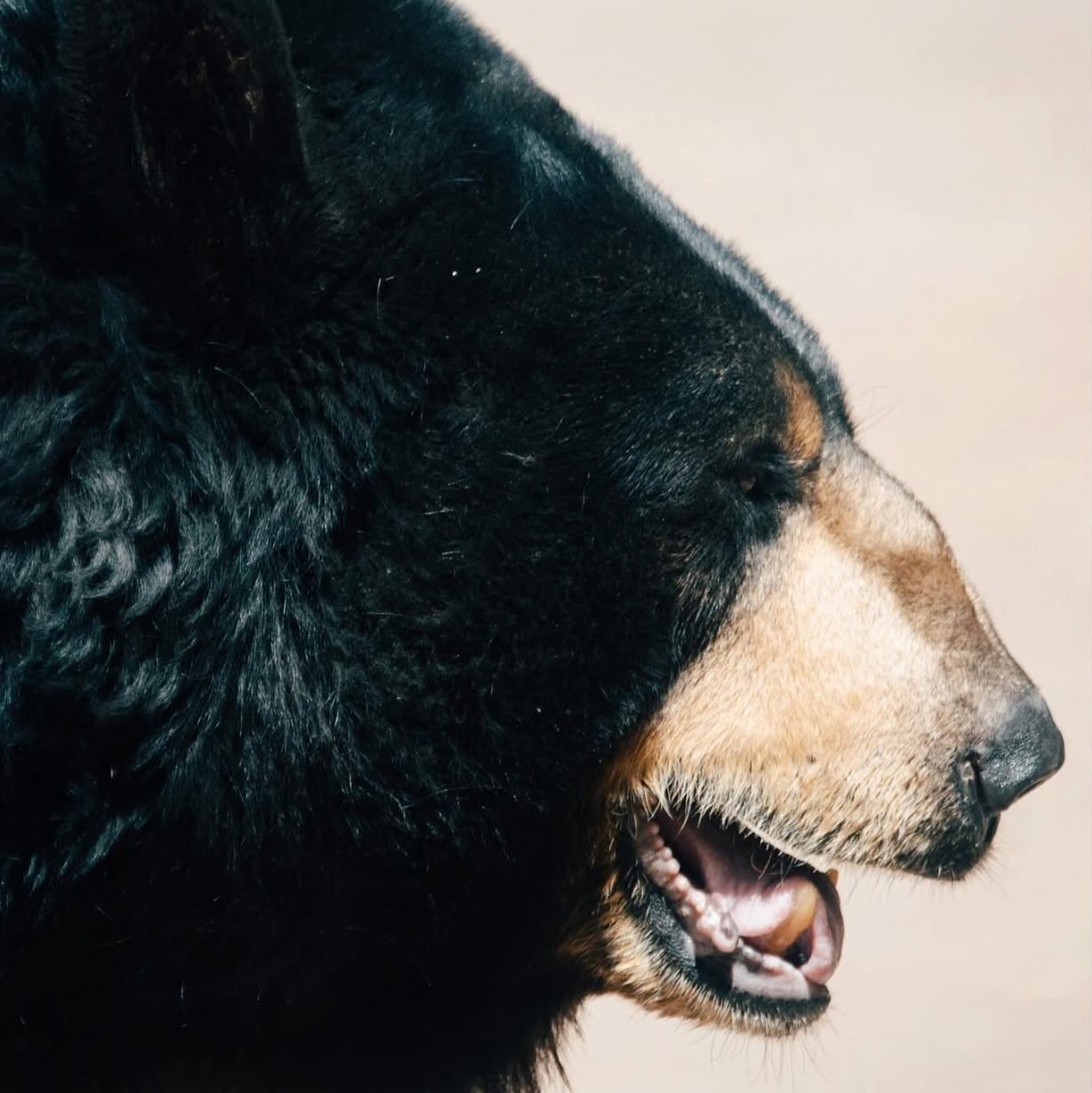

Photos by my incredibly talented guy, Jake Kinzer — OklahomaJake.com | @oklahomajake
Kona coast, Hawaiʻi
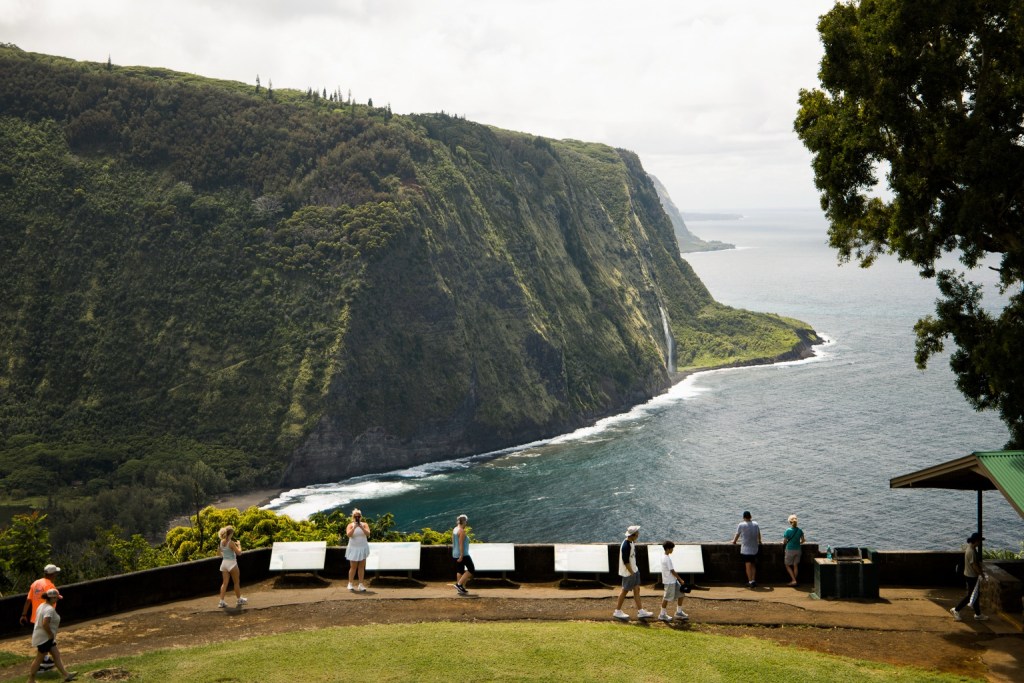
“There are no sacred and unsacred places; there are only sacred and desecrated places.”
—Wendell Berry
Last year they told us, “This doesn’t affect national parks,” like that was ever the point. Nobody thought they were selling Yosemite. We were talking about the land in between—the Forest Service and BLM acres people actually use, the trails, the corridors, the places grizzlies still roam. We read the bill. We flagged the clause. And once we got loud enough, they changed the language, said we didn’t understand it, and shifted the target to BLM land near population centers instead. Same play. New disguise.
We paid attention because acreage is easy to picture. You can look at a map and understand what is being taken. This time there is no map. This time it is one word.
Some people bring home a turtle magnet. I came home from Hawaiʻi with a book about Queen Liliʻuokalani, a Google history full of dark colonial history, and an obsession with invasive species I did not know I needed. I had just spent another trip of a lifetime with my dad, my sister, and our whole crew, running around Kona, stamping our National Parks passport book, and trying to eat every piece of fresh fruit we came in contact with.
Look toward the mountain, uka, and follow the land down to the sea, kai. There is no clean dividing line. What happens higher on the land moves downhill. It reaches streams, reefs, fisheries, wildlife, and people. Hawaiʻi seems to do something to people. For me, of course it was beautiful, and I got the best tan of my life. But everywhere we went, there were little reminders that the land was not separate from the people living on it. Brush your boots. Wear reef-safe sunscreen. Leave the lava rocks. Give the sea turtles space. Fill a bucket, get a sticker. It was not one giant lecture about conservation. It was a hundred little reminders that caring for the place where you live is simply part of living there.
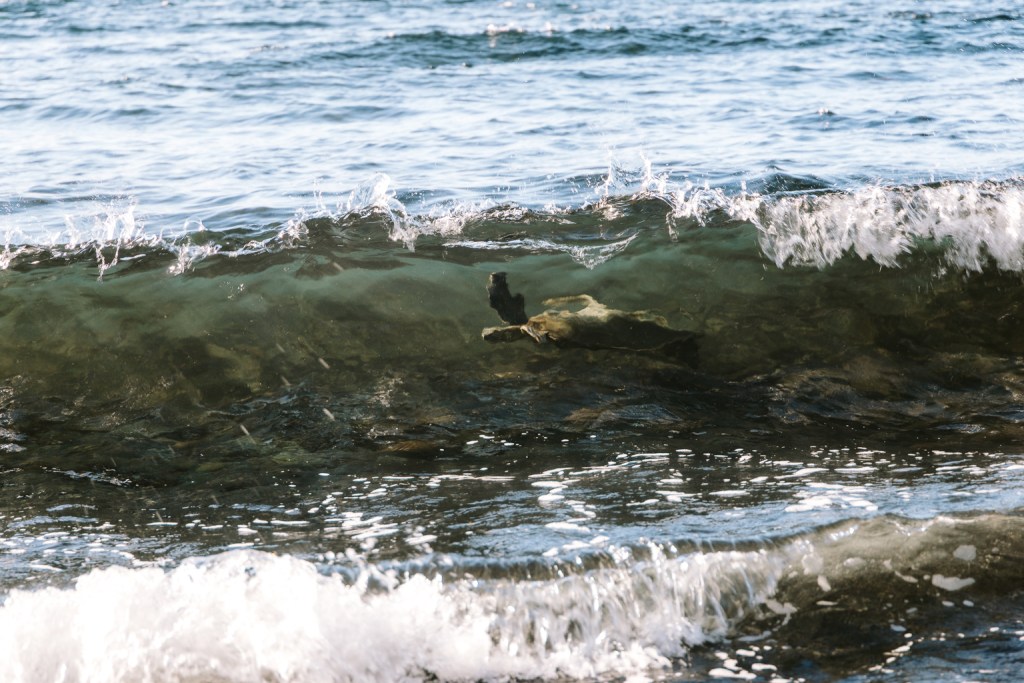
That is the heart of mālama ʻāina. Stewardship was not treated like another environmental issue somebody else was supposed to handle. It was part of belonging to a place. That is where the rest of us seem to lose the plot. The land, the water, the wildlife, and the people were never separate in the first place. Which brings me back to that one word.
What Changed
Over the weekend, I started seeing posts about a change to the Endangered Species Act. Some made it sound like the government had suddenly made it legal to bulldoze every endangered species habitat in America. Others called it a technical correction that barely mattered. So I went straight to the Department of the Interior and read it myself, because this is serious enough without making it say something it does not.
The administration has finalized a rule rescinding the federal regulatory definition of “harm.” That is exactly how the government frames it: restoring the law’s “original intent,” ending federal overreach, and reducing burdens on landowners, families, businesses, farmers, ranchers, and energy producers. It sounds like the kind of technical policy update most people would scroll right past.
For roughly fifty years, “harm” had a specific regulatory meaning under the Endangered Species Act. It included significant habitat modification or degradation when that destruction actually killed or injured protected wildlife by significantly interfering with essential behaviors such as breeding, feeding, or sheltering. The rule does not erase the word “harm” from the Endangered Species Act. It removes the federal regulation explaining how certain kinds of habitat destruction can qualify as harm.
No wolf dropped dead when the rule was finalized. No bear was shot. No one held a press conference in front of a bulldozed den. Just one definition, rescinded in a document most people will never open.
And if changing one definition works without much resistance, who says they stop at one?
The ESA, Explained Like You’re Five
I know not everybody nerds out on this stuff like I do, and thats okay. But hang with me for two minutes, because the rest of this article does not really make sense without it. Think of the Endangered Species Act like a hospital for wildlife. When an animal or plant becomes so rare that it could disappear forever, it can be added to a protected list. But the goal is not for it to stay there forever. The goal is recovery—to become healthy enough that it no longer needs the law’s protection. It is a hospital stay, not a life sentence.
So how does the law help a species recover? Part of it is obvious: you cannot shoot, trap, capture, or kill a protected animal. The less obvious part is that you could also be responsible if you destroyed the habitat it needed and that destruction ended up injuring or killing it anyway. Because an animal does not have to die underneath the bulldozer for the bulldozer to be what kills it. You cannot recover a species while destroying its food source, nesting ground, den, shelter, or migration route. A bird cannot return to a nest that no longer exists. A wolf cannot raise pups in a den that has been flattened. A fish cannot survive in water that no longer reaches it. No home. No healing.
The new rule does not erase the ESA, and it does not eliminate every habitat protection. Federal agencies still have consultation duties, and designated critical habitat still carries protections in applicable federal actions. But removing this definition narrows one important way habitat destruction has been connected to the injury or death of an individual protected animal. So what exactly does that make easier? That is where this stops being only a wildlife story.
Whose Land, Whose Rules?
Jake’s first question was probably the same one a lot of people will have: “So if I own land, I can’t do what I want on it?” Not always, no. But that was already true long before this rule existed. Ownership has never meant every possible use is unrestricted. Zoning laws exist. Water laws exist. Building codes exist. Pollution rules exist. Your property rights have always met a boundary when your decisions begin affecting everybody around you.
Still, I understood what he meant. People hear “protect landowners” and picture a guy being told where he can put a shed, or a rancher trying to make a living with one more federal rule hanging over his fence line. That concern is real, and dismissing it is exactly how conservation loses people who might otherwise care. But it is not the whole story. Water moves. Wildlife moves. Pollution moves. Migration routes cross parcels no animal knows exist. You may own the land, but you do not own everything your decisions can affect once it leaves your boundary. Habitat is not an extra feature sitting around the species we claim to be protecting. It is the whole point.
What Did We Actually Save?
Remember Save the West? Hunters and tree huggers became friends because it turns out there is one thing that can make just about everybody find some common ground: somebody coming for the land. Suddenly there was this motley crew of conservatives, liberals, ranchers, backpackers, hunters, anglers, birders, overlanders, wildlife photographers, guides, park rangers, and plenty of other people who do not usually end up on the same side of an argument, all standing shoulder to shoulder saying: Paws off. Not one acre. And for a minute, it worked. Everybody celebrated. I did too. But did we stop to ask what we actually saved?
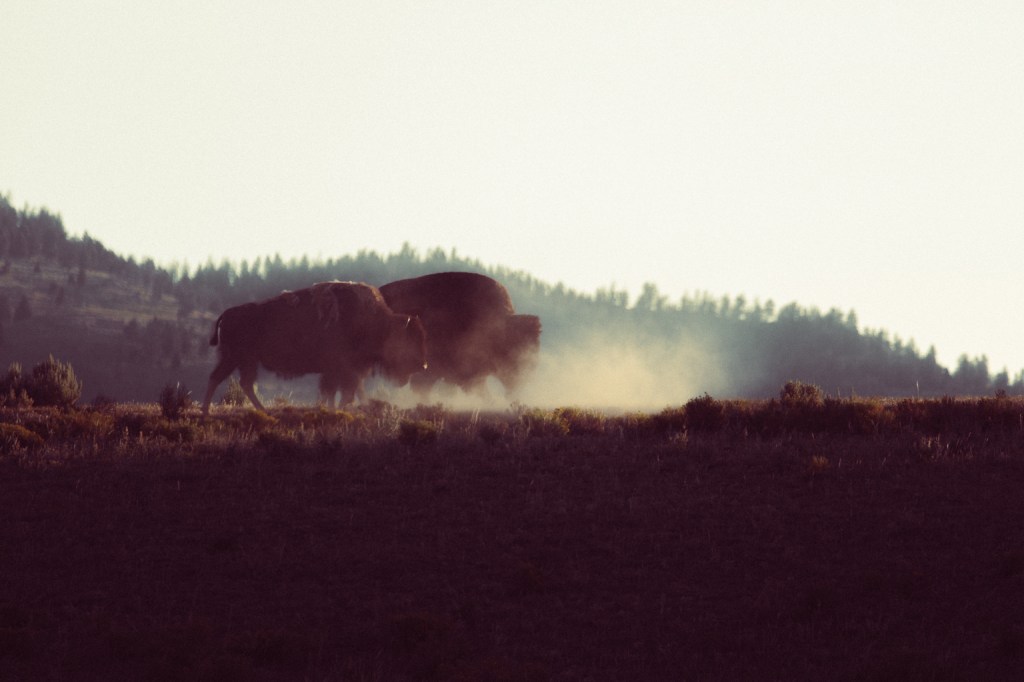
Yellowstone is not just a boundary we get to visit. The bears, wolves, bison, rivers, prey, plants, scavengers, and migration routes are not decorations sitting on top of the landscape. Take away enough of the life moving through it, and eventually we are protecting a name on a map. That is what makes this the same fight, even though it looks completely different. Public land feels like ours. Wildlife policy feels like somebody else’s issue. But the wildlife is part of the land everyone just fought to keep. Last year, we could see the acreage. This year, we have to read the fine print.
“Adapt or Die” Is Not a Wildlife Management Plan
People say “adapt or die” like evolution is a switch an animal can flip every time we make its life harder. Species adapt over generations. That is not the same as one bear figuring out overnight how to survive a new road, a blocked migration route, or the sudden loss of a food source it has depended on its entire life. Grizzlies are smart. Adaptable does not mean invincible.
Sometimes the easiest food left near people is garbage, pet food, birdseed, crops, or livestock. Then the bear gets labeled a problem, removed, or killed. We call it a bad choice instead of admitting we kept taking away its good ones. That does not mean ranchers should absorb livestock losses. It does not mean families should accept a dangerous bear outside their home. Those consequences are real. So is everything that happened before the bear arrived. We changed the food supply. We cut movement routes apart. We built closer. Then we acted like the conflict began with the bear. Once the bear is dead, we call the problem solved.
Who Actually Benefits?
The official explanation keeps returning to landowners, communities, families, farmers, ranchers, and businesses. But this rule does not solve the problem most people picture when they hear those words. If a protected wolf kills a rancher’s cattle, this change does not suddenly make that wolf unprotected. It does not compensate the rancher. It does not repair his fence or replace the animal he lost. What it changes is whether certain habitat destruction can qualify as legally harming protected wildlife. That distinction should make us ask who has the most riding on it.
A family building a shed may encounter wildlife rules. A rancher may absolutely face real restrictions and costs. But large developments, mines, timber operations, roads, pipelines, and energy projects can have millions, or billions, of dollars riding on whether damage to habitat creates ESA liability. That does not make every project evil. We need homes. We need roads. We use timber, minerals, and energy every day, including those of us yelling the loudest about protecting wildlife. But when the government sells a change through the image of a family landowner while “energy producers” are sitting in the same sentence, we should probably keep reading. Because once you start asking why habitat suddenly became a burden, you start asking what else is on that land. Timber. Minerals. Roads. Energy. Development. Suddenly this is not just a wildlife story anymore.
And this is not happening in isolation. In March, the Endangered Species Committee separately exempted certain Gulf oil and gas activities from ESA requirements after the administration argued that energy production and litigation risks implicated national security. It was a different action, under a different part of the law. It still tells us something about the direction federal policy is moving. Different agency actions. Different documents. Different legal mechanisms.
What becomes easier to reach once the protection standing in the way gets smaller?
This Was Never Just About Wildlife
If you have made it this far and still think this is only about wolves and grizzlies, you missed the whole thing. Wildlife is my hill, obviously. But y’all do realize we live here too, right? A property line connects to a watershed. The watershed reaches farms, towns, rivers, fisheries, and eventually the ocean. The nesting tree matters to the bird, but the forest around it also holds soil, stores water, and affects the people living downstream. We are in there too.
The empty nest does not become meaningless because nobody shot the bird. The flattened forest does not become harmless because the grizzly escaped before the machines arrived. Where does she go after that?
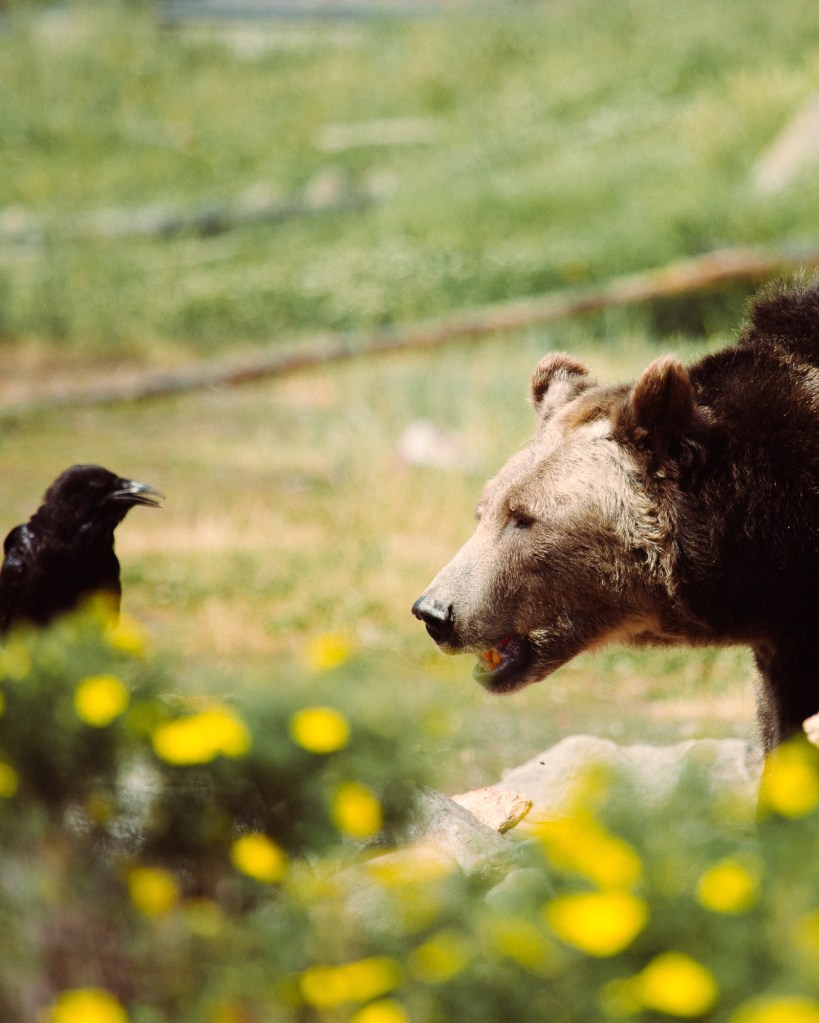
Last year, they told us the national parks were safe while the land around them was on the table. This year, the Endangered Species Act is still standing while one of the definitions beneath it is being removed. Maybe this is where it ends. I hope so. But last year we learned that changing the wording did not necessarily mean abandoning the idea. Sometimes it only meant finding a version people were less likely to fight.
We assume public lands are safe because they are public. We assume protections that existed our whole lives will keep existing because they always have. Until one word changes. Then another.
Hawaiʻi calls it mālama ʻāina. Care for the land. Not because the land belongs to us. Because we belong to it.
Somewhere along the way, I think we forgot the difference.
And if we fight for the boundary but not the life inside it, what exactly did we save?


Leave a Reply