
I was conditioned to write a certain way. I knew that anything I said—could be printed out and laid on a judge’s desk.
So I played the game.
Neutral. Above reproach. I faked the smile.
Because if I didn’t, if I let even an ounce of truth slip, I’d be accused of alienation.
I had to betray my own instincts to protect her.
As a mother, no words can suffice.
To know exactly what you’re handing your child over to. To be screaming inside but silent on the outside. To grit your teeth and lie to her face because, in the name of “reunification,” the system demanded it.
Silence was my only option
When women stay quiet—when they don’t speak their truth, when they don’t push back against injustice—they become easier to dismiss. Easier to ignore. Easier to paint as overdramatic, unstable, or unreliable. Their silence becomes ammunition for those who would rather keep them powerless.
It’s why so many abusers, systems, and even well-meaning people encourage women to “move on” rather than speak out—because a quiet woman doesn’t disrupt the status quo. A quiet woman doesn’t make people uncomfortable. A quiet woman doesn’t demand justice.
But a woman who refuses to be quiet makes it impossible to look away.
And that kind of power terrifies.
I don’t remember a lot of those years. I don’t know if I blocked them out or if survival demanded I stop feeling long enough to stay upright.
But I wrote.
• On scraps of paper.
• In journals tucked away in moving boxes.
• In late-night messages I never sent.
I wrote when I couldn’t speak. I wrote because writing was proof that I existed outside of the hell I was living in.
I found an old journal the other day—one from over a decade ago. The words don’t sound like me. They sound like a girl still trying to make herself small enough to fit into the life she was handed.
A girl who apologized too much.
Who second-guessed herself even when she carried the truth like a weapon.
Who thought maybe if she endured a little longer, things would get better.
They didn’t.
A time of stuffed unicorns, dinosaurs ruling the house, and Santa threats that got rooms cleaned faster than anything else ever could.
Unicorn. That was her safe word.
The one her therapist helped her come up with.
She’d call me on overnight visits, and four words in, her voice would crack.
“Unicorn, Mama.”
And I knew there was nothing I could do.
Direct quote from my attorney:
“The worst-case scenario is the best-case long-term to make sure she’s safe.”
So I sent my little girl into the fire…
And I prayed the flames that burned her wouldn’t consume her.
I stood at the shore, refusing to let the raging waves of courtrooms and custody battles crash into the walls where my daughters slept.
I was their shield.
But I was drowning.
Breaking Cycles
I don’t share this now as a tell-all. There are pieces of this story that will never be told—some because they don’t have words, and some because they don’t need to be spoken to be known.
This isn’t about revenge. It’s not about gossip. It’s about what happens when the truth is locked away for so long that it starts to rot inside you.
It’s about waking up one day and fearing this life will ever become hers.
This is about making sure the thing that held me for so many years never comes for the girls I spent those same years trying to protect.
Make no mistake—this isn’t just about speaking the truth.
It’s about breaking the cycle so it never has to be spoken again.
I think about my mom. My grandmothers. The things they never spoke about.
I wonder how different life could have been if they had shared their stories.
If someone had told them their pain wasn’t something to be ashamed of.
That their silence wasn’t proof of strength—it was proof of a world that wasn’t ready to hear them.
I started healing without knowing that healing would be the most painful thing I’d ever do.
And now, I’m four months sober.
Four months of living—really living—and feeling life exactly as it is.
Without numbing. Without shrinking. Without running.
The Fire & The Flood
There’s a moment when the battle ends, but your body doesn’t know it yet.
You still flinch at shadows.
Brace for impact.
Carry armor you no longer need.
For years, fight or flight was my only state.
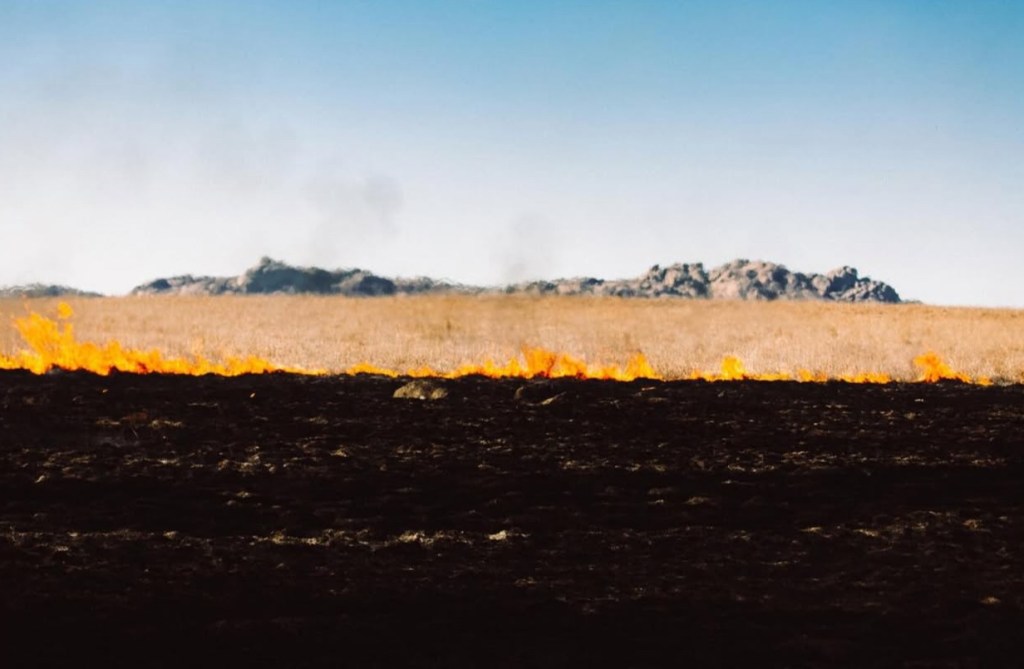
Every decision felt like a fire I had to run through, and the flames took pieces of me on the way out.
And then, one day, I wasn’t running anymore.
The papers were signed. The case was closed. And for the first time in years, my life wasn’t an active warzone.
I was supposed to feel relief. Safety. A deep exhale.
But I didn’t.
Because when you’ve lived in the fire, rest feels like a death you don’t trust.
I spent so many years gripping onto survival that I didn’t know how to unclench my fists.
I was exhausted, but I didn’t know how to sleep.
I was safe, but my body still flinched at things that weren’t there.
What do you do when the fight-or-flight instincts that once saved you won’t let you go?
That’s where I was when the flood came.
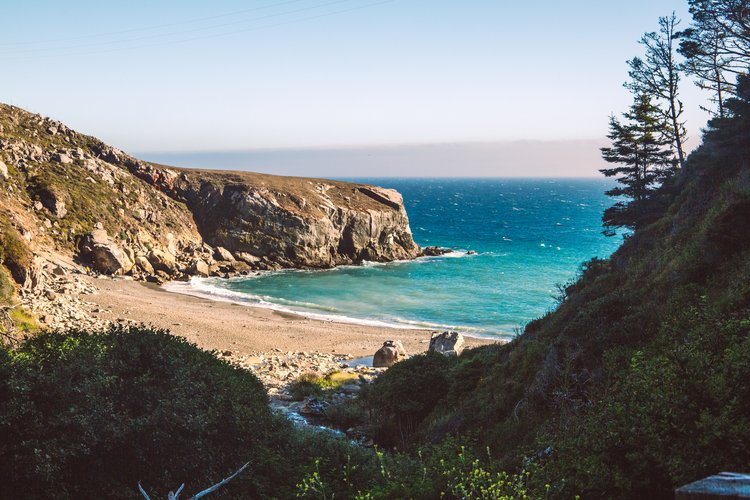
No one tells you that healing doesn’t arrive in a clean arc. It doesn’t show up when you’re ready. It doesn’t knock first.
It just crashes in, uninvited, like a flood that takes your footing out from under you.
One day, I was standing. The next, I wasn’t.
I thought I was weak.
I thought I was failing.
But what I was really doing—what I couldn’t see yet—was rebuilding.
Because before anything new can be built, the wreckage has to be cleared.
And so, the flood did what the fire couldn’t:
It took me under.
Pulled me apart.
Made me stay in the grief I had spent years outrunning.
But it also made space.
For something softer.
For something new.
For something worth staying for.

Now, I drink my coffee on the porch of a house that feels like home—no court dates on the horizon, no battles to brace for, no nightmares waiting in the dark.
Just morning light, laughter, and the quiet kind of safety I once thought was impossible.
Now, I write from that place.
Not from the fire.
Not from the flood.
But from the space after.
survival is where the story starts, not where it ends
And for the first time in a long time, I get to decide what comes next.
Maybe healing isn’t about letting go of the fire. Maybe it’s about learning how to harness it.
I spent years without a voice, and I refuse to shrink it down just to put others at ease.
Because my daughters will never doubt that their voices—fierce, unshaken, unapologetic—are their birthright.
This fire is no longer just mine.
It’s my daughter’s starting line.


 The Wilds Project.
Leave a reply to Brittany Cancel reply