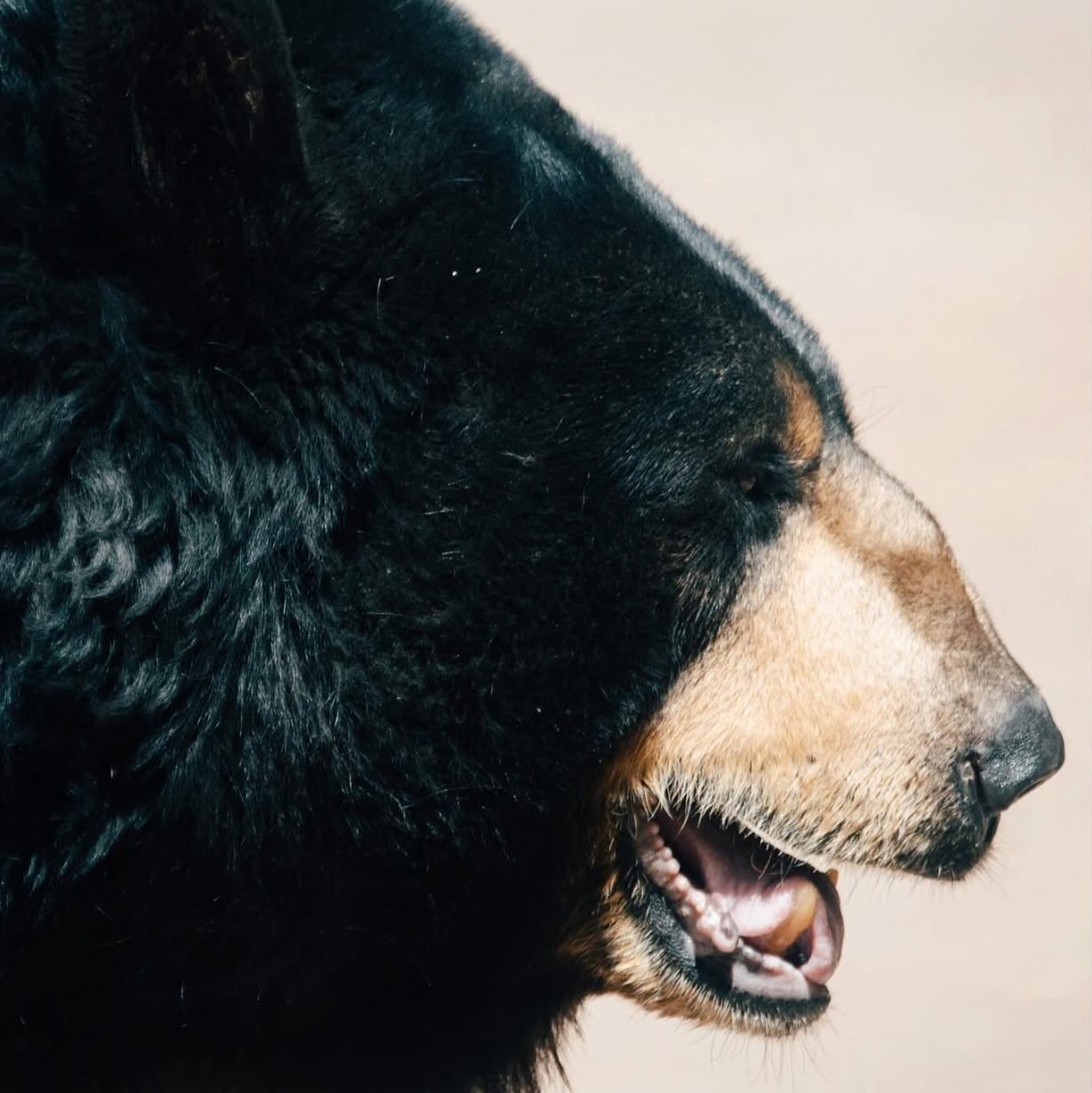
Public lands don’t stay public on their own. Our kids inherit the trails we protect. Let’s give them more than footprints to follow.
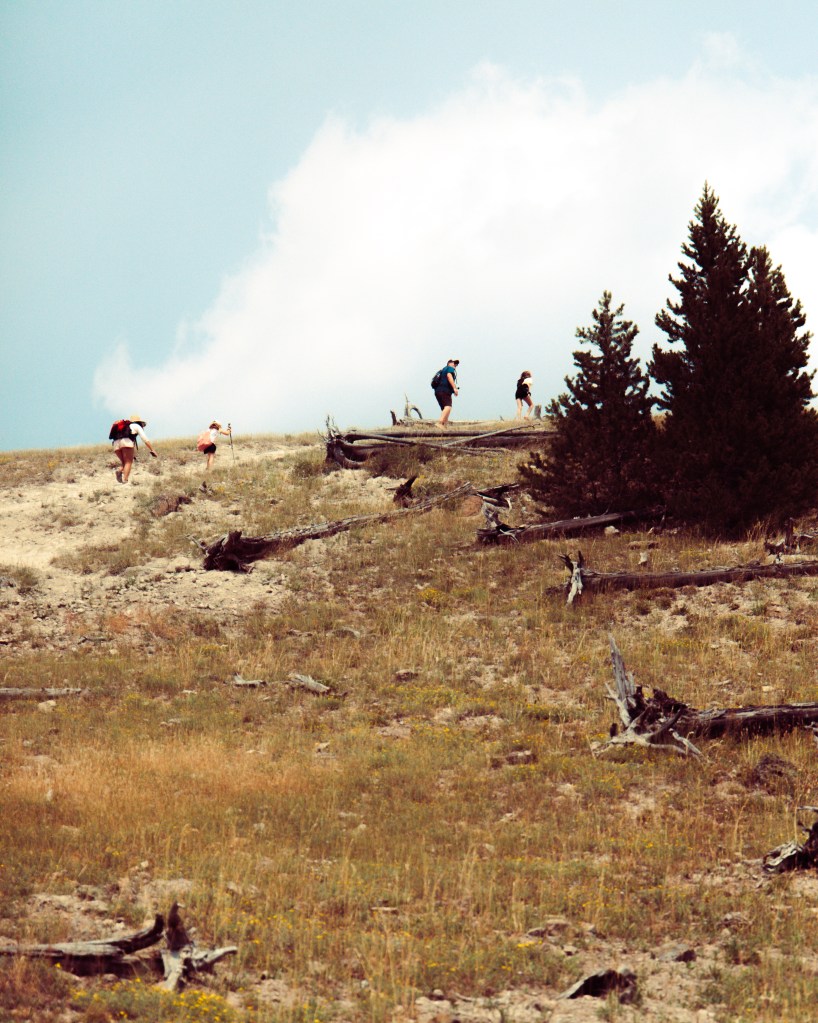
Today’s a reminder—this land is ours to care for, not to keep.
From Glacier’s grizzlies to Oklahoma’s tallgrass, from rivers that still run wild to the trails our kids grow up on—our public lands are more than places to escape. They’re classrooms, sanctuaries, and bridges between generations.

What “Public Lands” Includes
When I say public lands, I mean the places we collectively own and steward—managed by agencies like the National Park Service, U.S. Forest Service, Fish & Wildlife Service, Bureau of Land Management, plus state parks and local open space. That includes:
- National parks & monuments
- National forests
- Wildlife refuges
- BLM lands, grasslands, and deserts
- State parks and public access areas
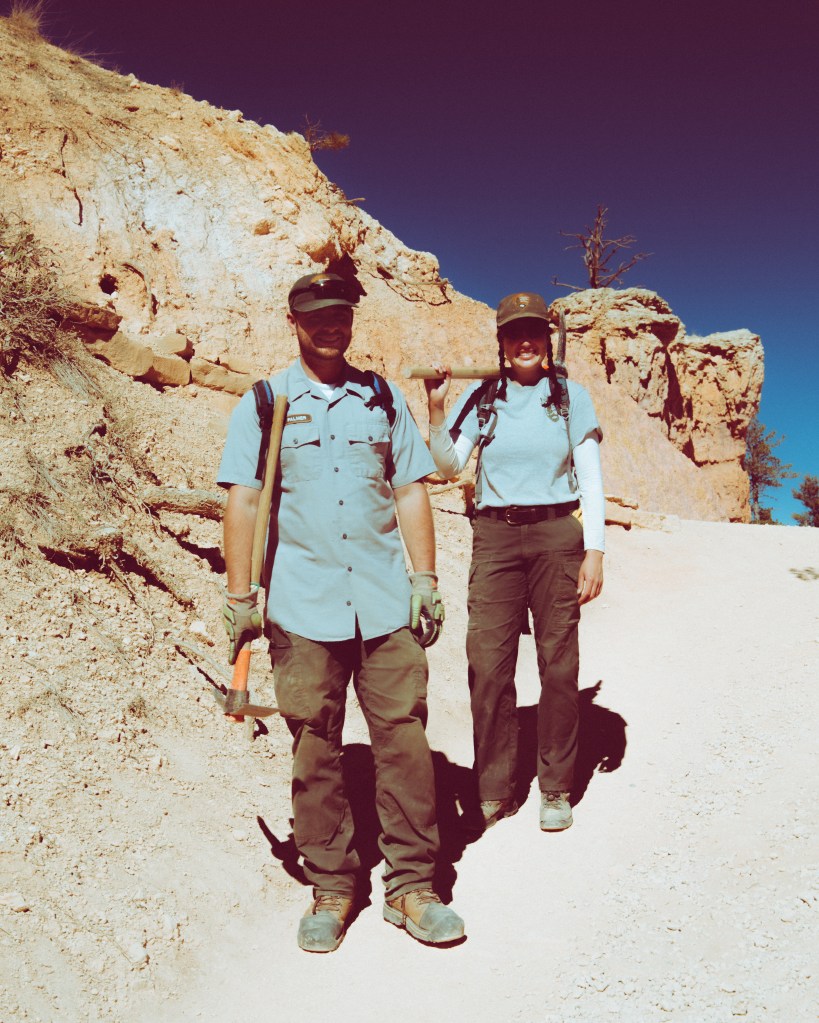
Why They Matter
- Classrooms: where our kids learn to read tracks and name stars.
- Sanctuaries: for grizzlies, elk, trout, songbirds—and all the quiet things that hold an ecosystem together.
- Bridges between generations: memories layered like tree rings, handed down one hike at a time.
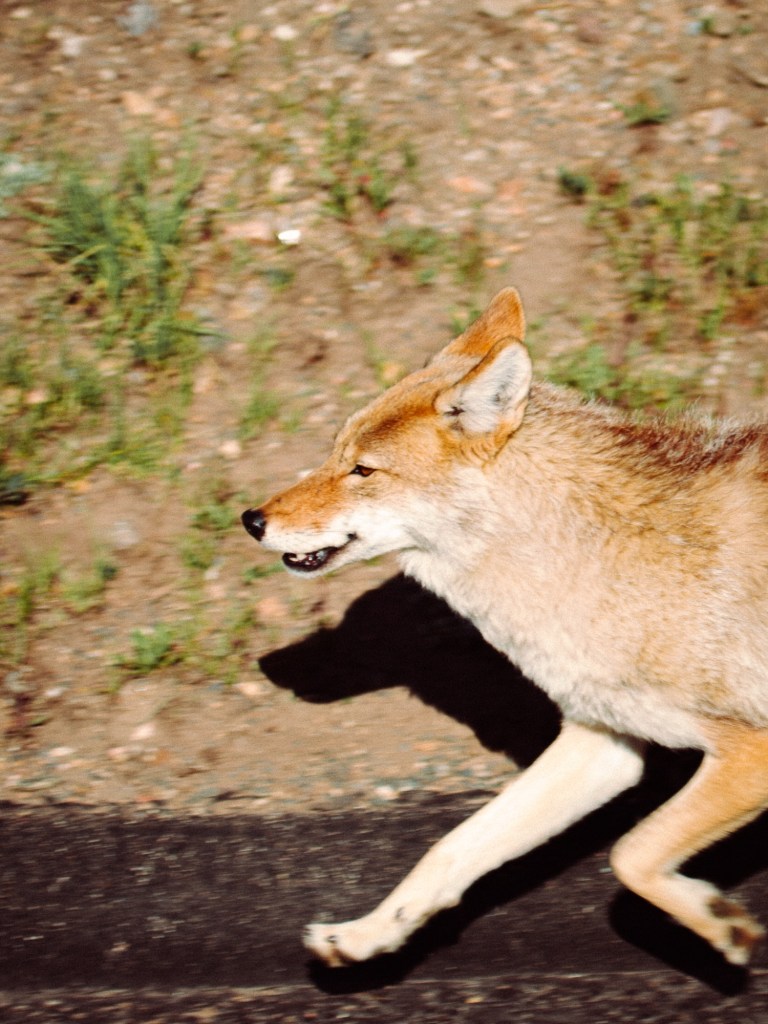
How We Show Up
Public lands don’t stay public by accident. They stay public because people pay attention—and because we teach our kids to do the same. Small things add up:
- Take your crew outside. Let them lead a trail.
- Pack out your trash (and the extra you find).
- Respect wildlife and stay on trail.
- Speak up when policies threaten what can’t be replaced—send the email, make the call, show up.
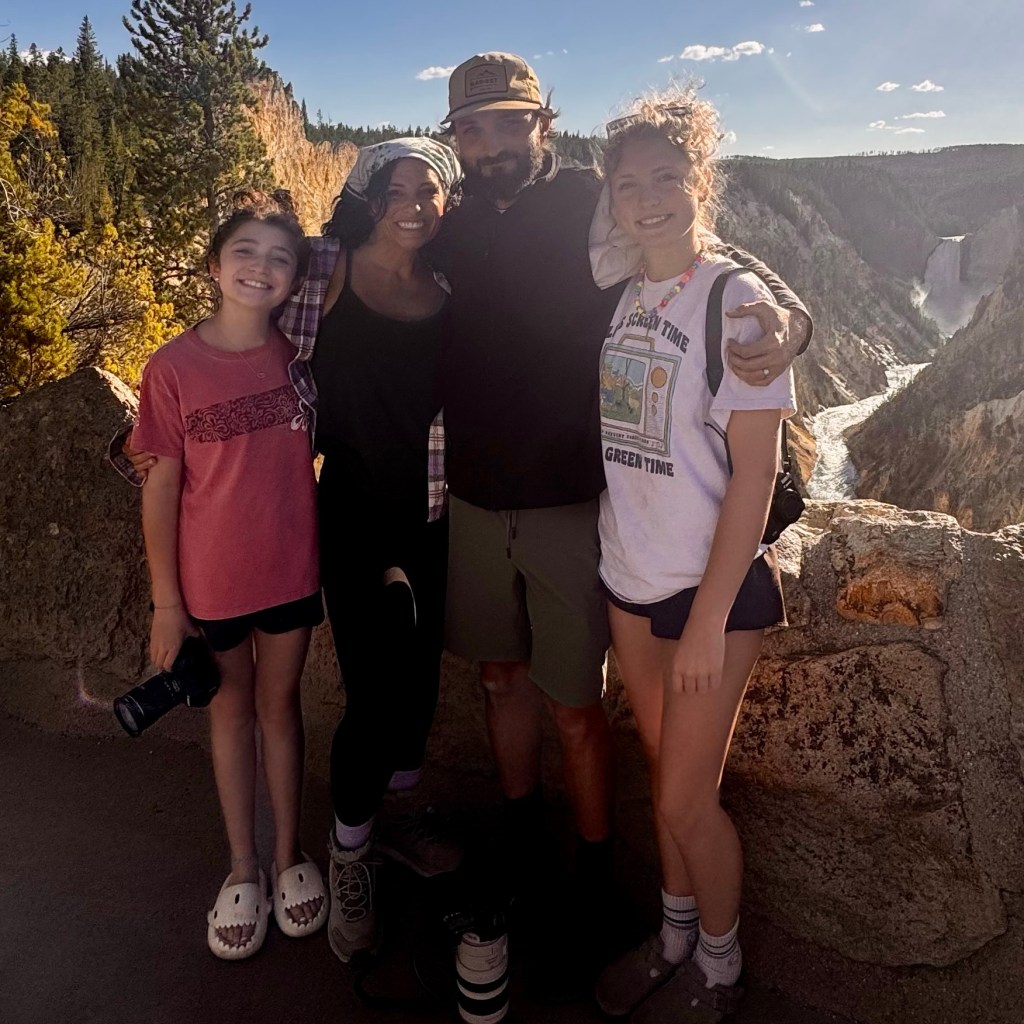
Because this land is your land, my land, our land. And it only stays that way if we fight for it.
🌿 A Bit of History: Public Lands Day
National Public Lands Day began in 1994 as a way to get people hands-on in caring for public lands. Over the years it’s grown into **the largest single-day volunteer effort on public lands**—connecting communities with trails, forests, and open spaces across the country.
Every year in September, thousands of volunteers across states pick up trash, plant native species, build trail infrastructure, and host educational events. It’s a living reminder: public lands thrive when people show up, not when they sit still.
 The Wilds Project.
Leave a comment