When we think of Glacier National Park, it’s a postcard come to life — Going-to-the-Sun Road, the wildflower fields, turquoise lakes, the dream of walking the iconic Highline Trail.
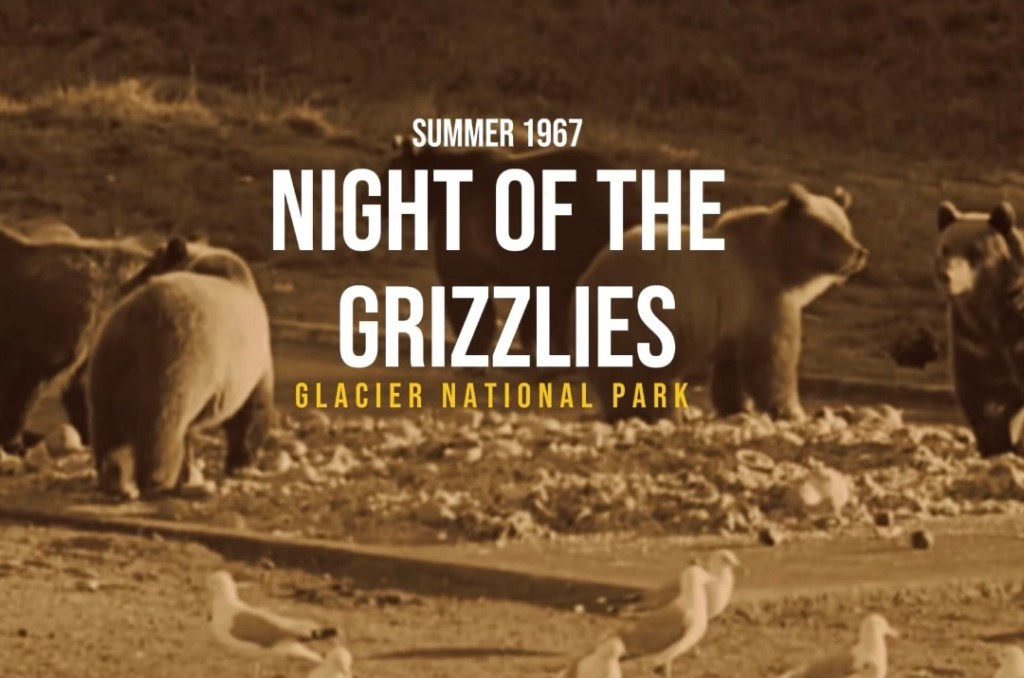
But there’s another side to this paradise — one that changed the park forever on a single August night in 1967.
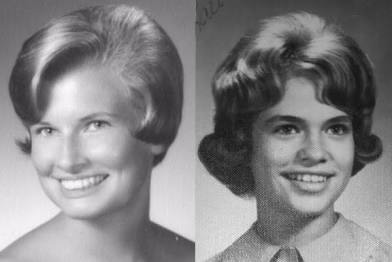
Two 19-year-old girls — Julie Helgeson and Michele Koons.
Two separate campsites.
Two grizzlies.
A collision that on the outside seemed like bad luck — but we’d been lighting the fuse for years.
By the summer of 1967, Glacier was a magnet for adventure seekers and nature lovers. Visitors flocked to its rugged landscapes, unaware that behind the scenes, a series of human choices had been reshaping the behavior of its most formidable residents.
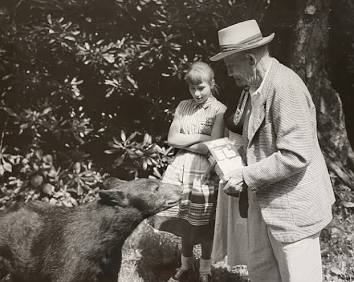
Across the West, parks leaned into a dangerous habit. For decades, people had been hand-feeding bears and dumping trash in open pits behind lodges. Bears learned that humans meant food, and instead of avoiding people, they stuck around. Rangers knew. Visitors loved it. And no one thought much of it — because it had been 57 years since a fatal bear attack in the park. (We had no reason to worry.)

What we didn’t understand was that feeding a bear rewrites its instincts. For a bear, food is king — and a grizzly that learns to seek out human food stops foraging naturally. Their natural fear of humans fades. Curiosity grows. Until one day, the bear is standing in a campsite, searching for food — and the line between wild and human is gone.
Side note: when a bear is habituated to human food, it will do anything to get it — tearing into a tent, cabin, or car. And when it crosses that line, someone pays for it — the person, or the bear. That’s why you hear the saying now: A fed bear is a dead bear.
Back then, that warning didn’t exist. Neither did bear spray, or the strict bear management plans that now define how we hike, camp, and move through grizzly country. If you’ve ever done any of those things, this story is for all of us — and knowing it is the key to making sure it never happens again.
August 12, 1967
Julie Helgeson and Michele Koons — miles apart, in separate camps — were attacked and killed by different grizzlies within hours of each other. The first time in Glacier’s history — and in modern American park history — that two fatal grizzly attacks happened in the same night.
It wasn’t “nature being metal” in some random freak accident. It was the result of years of bad human habits.
The shock of that night rewrote the entire playbook for national parks. The trash pits were shut down. Feeding wildlife was banned. Rangers started enforcing strict food storage rules. Visitor education became a priority. Every bear safety talk. Every “do not feed wildlife” sign. Every rule about food storage in a bear box exists because of this night.
All because of one night.
A night that redrew the boundary between wild and human — and reminded us just how thin that line really is.
The signs had been there for years. We just didn’t listen. And on August 12, 1967 — after 57 years without a single fatal grizzly attack — it finally happened.
The Night of the Grizzlies.
One night that changed Glacier.
One night that changed the way we see bears forever.
The story doesn’t begin with the attack.
It begins long before.
Come with me to Glacier, summer of ’67.
 The Wilds Project.
Leave a comment