This Is the Fight of All Fights
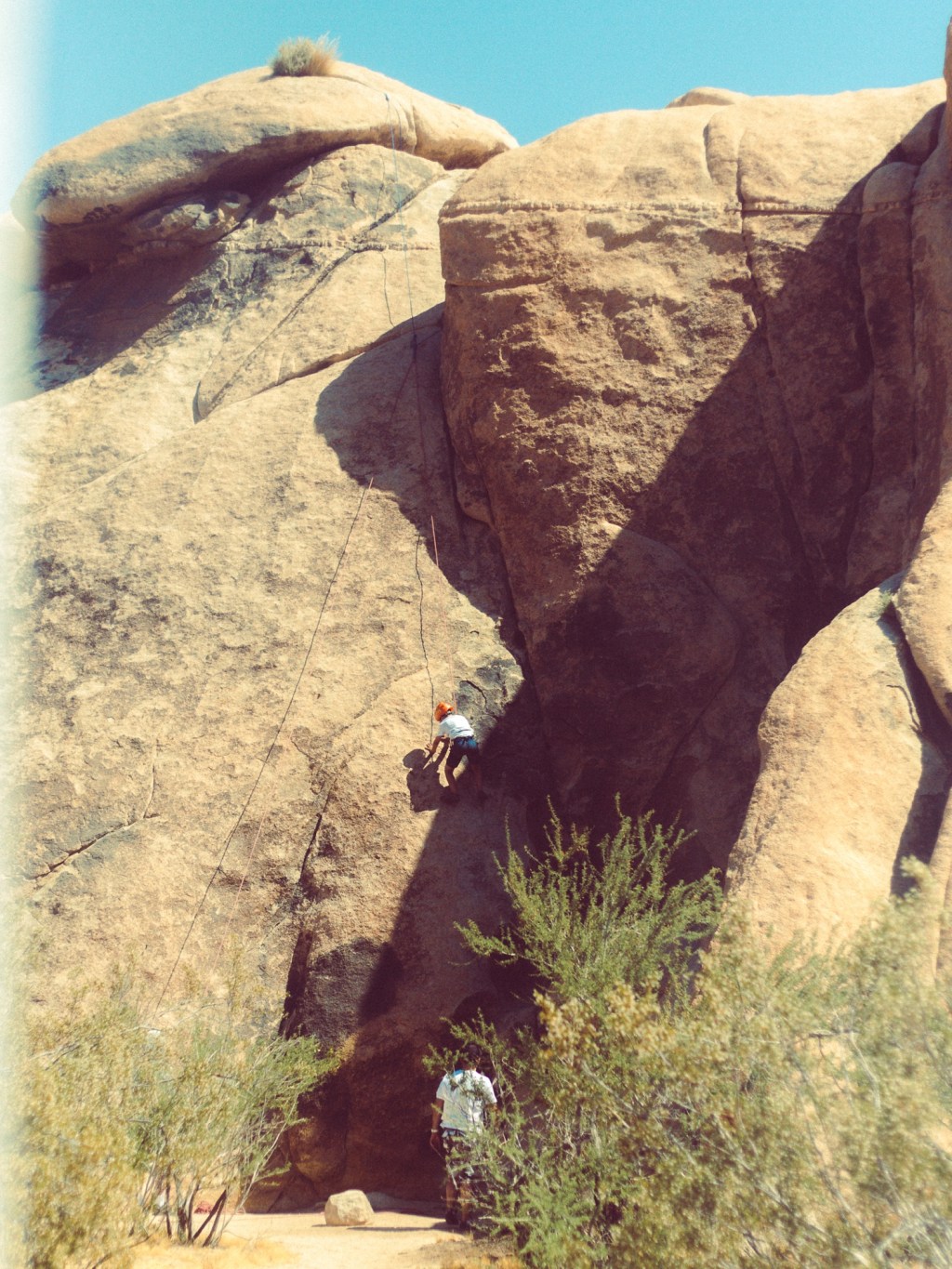
There’s a trail we love. Maybe you have one too—the place your kid found her first shed antler. The one where your boots carried more than just your weight. The one where everything finally went quiet. That trail sits on public land. And public land doesn’t belong to any one of us—it belongs to all of us. That’s the deal. That’s the promise.
But if history’s taught us anything—from broken treaties with the first peoples of this land to oil leases signed behind closed doors—it’s that promises can be broken.
Right now, there’s a bill moving through Congress that could start undoing all of it. H.R. 2925. It makes it easier to hand “surplus” BLM and Forest Service land over to the states. Sounds harmless, right? It’s not. Because when that land changes hands, it’s one bad budget year or one well-connected developer away from disappearing forever.
We sang “this land is your land, this land is my land” in school like it was a promise.
But it never really was. And it still isn’t.
Here’s what happens when wild land is sold:
- Fences go up.
- The signs change.
- Access disappears.
- That trail where your kid learned to skip rocks? Gone. Private. Posted. “No Trespassing.”
It becomes somebody’s vacation lodge. Or backyard. Or branded retreat center that sees a view and builds a deck.
The Quick & Dirty:
- Bill #: H.R. 2925 – “Reducing Excess Federal Property Act”
- What it does: Lets the feds transfer “extra” land to states
- What that really means: States sell it off. Public becomes private. Gone for good.
This isn’t about politics.
It’s about whether my girls will one day get to take their kids to that same riverbank we waded through last summer. Whether there’ll still be open space to roam that isn’t behind a gate, a fence, or a QR code to pay a day fee.
When we call wild land “excess,” we’re telling future generations that it only matters if it makes money. That silence, stillness, and sky don’t count unless they’re monetized. That’s a lie I won’t pass down.
This bill chips away at access.
Most people assume their favorite trail, campsite, or backcountry spot is protected forever. But if it’s on BLM or Forest Service land—not a national park—it could be sold. Permanently.

And here’s the part that hits even harder:
This is a direct threat to wildlife corridors.
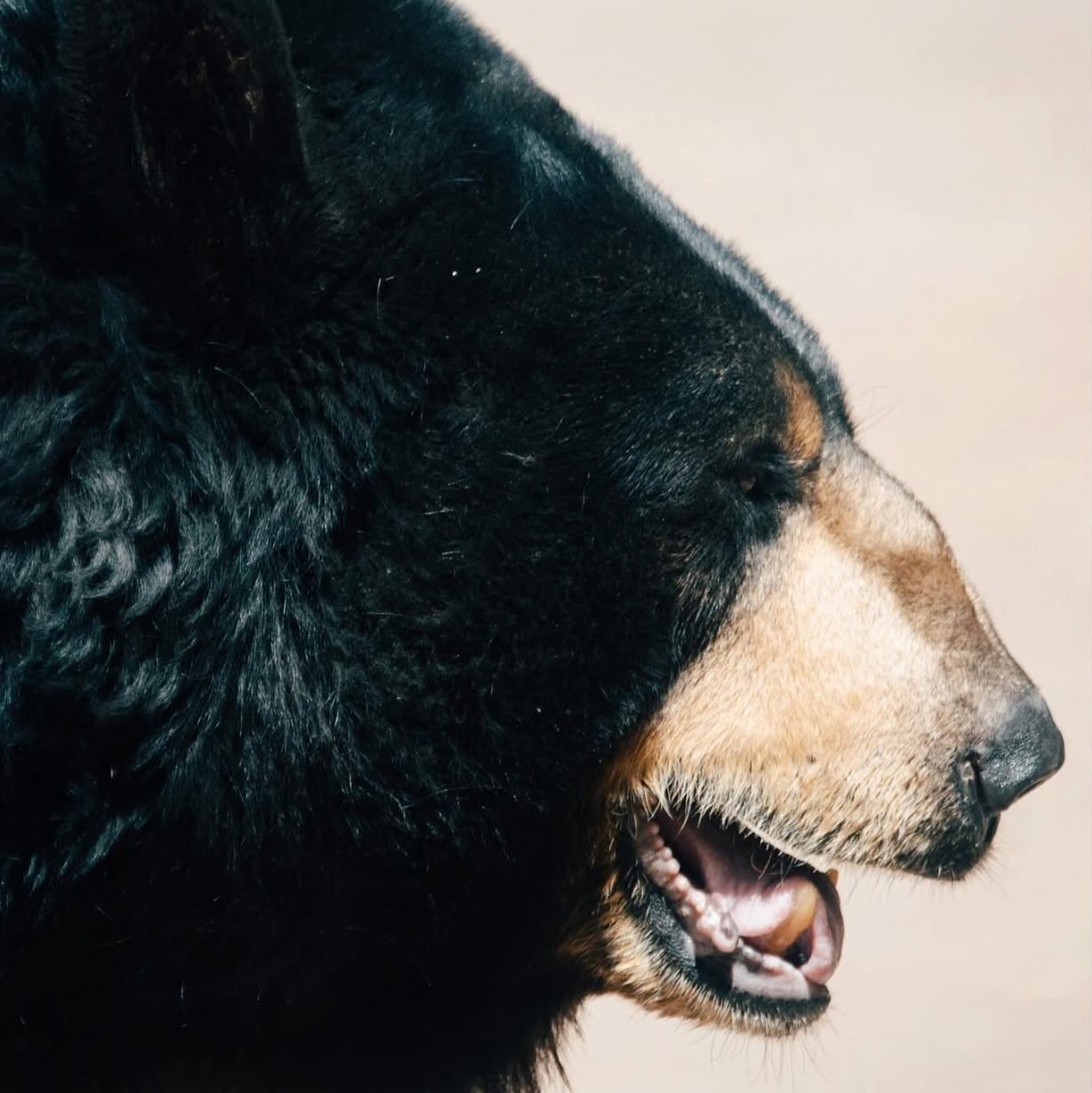
Grizzlies don’t know where the national park ends. Neither do elk. Or wolves. Or cougars. They don’t follow property lines—they follow food, shelter, safety. Instinct. Migration routes that stretch hundreds of miles beyond what’s “protected” on paper.
When we start carving up the land in between—selling off chunks here and there—we don’t just lose space. We collapse the corridors that entire species depend on to survive. That’s what fragmentation means.
A fence here. A new road there. A patch of “private property” where wild things used to pass unnoticed. It doesn’t seem like much, until a mother bear won’t cross a highway. Until a wolf pack is cut off from its range. Until an elk herd hits development and turns around.
These animals survive by moving, following seasonal patterns and age-old paths. Fragment the land, and you break the route. You isolate populations. You shrink their world until there’s nowhere left to go.
And for grizzlies? That’s not a minor inconvenience.
It’s life or death.
They need space. Cover. Room to roam between safe zones without dodging traffic, fences, or construction crews. When we break up the land around places like Yellowstone, Glacier, and the Northern Rockies—we’re not just shrinking their home. We’re pulling threads from a web that holds the whole ecosystem together.
And once it’s unraveled, we don’t get it back.
And it hits harder than people think.
These public lands are connected ecosystems. They don’t exist in isolation. Selling off just one corner of that web impacts it all—especially when it comes to wildlife.
This bill is a direct threat to wildlife corridors.
Grizzlies don’t know where the park line ends. Neither do elk, wolves, or cougars. They follow instinct, habitat, and survival. That means migration routes that stretch far beyond protected borders. If we start carving up public land—especially near Yellowstone, Glacier, and the Northern Rockies—we’re cutting off those corridors piece by piece.
And for grizzlies? That’s life or death.
They need space. They need cover. And they need freedom to roam between safe zones without crossing highways, developments, or new fences. Fragmenting the land around them—especially in areas already under pressure from energy and real estate interests—breaks that chain. We don’t need more evidence. It’s already happening.
“This doesn’t affect national parks.”
Cool. So we’re just selling off the land around them—the buffer zones, the fire lines, the migration paths. The wild space in between. The kind of land that doesn’t make it into Instagram reels or travel brochures, but holds the whole dadgum system together.
It starts with “surplus.”
It ends with whatever we don’t speak up for.
Y’all….
Here’s what that means in plain English:
- Fence goes up. Access gone.
- Trailhead disappears. Your kid’s rock-skipping spot? Private.
- View becomes a deck. Tents swap for timeshares.
Quick Facts
- Bill #: H.R. 2925 – “Reducing Excess Federal Property Act”
- What it claims: Move “extra” federal land to states
- What really happens: States sell to private buyers → public land gone forever
“This doesn’t affect national parks.” Cool. So we’re just selling off the land around them—the buffer zones, fire lines, migration paths. The wild space in between.
The kind of land that doesn’t make it into Instagram reels but holds the whole damn system together.
If we call wild land “excess,” we’re telling future generations it doesn’t matter unless it makes money. That the only value worth protecting is profit. That silence, stillness, and sky are expendable. And that’s a lie I won’t pass down.
- Read the bill (H.R. 2925)
- Email your representative
- Say something. Share it. Start the conversation. Even if you’re not an “activist.”
This land was made for you and me. But only if we fight to keep it that way.
Quick Recap: Why You Should Care
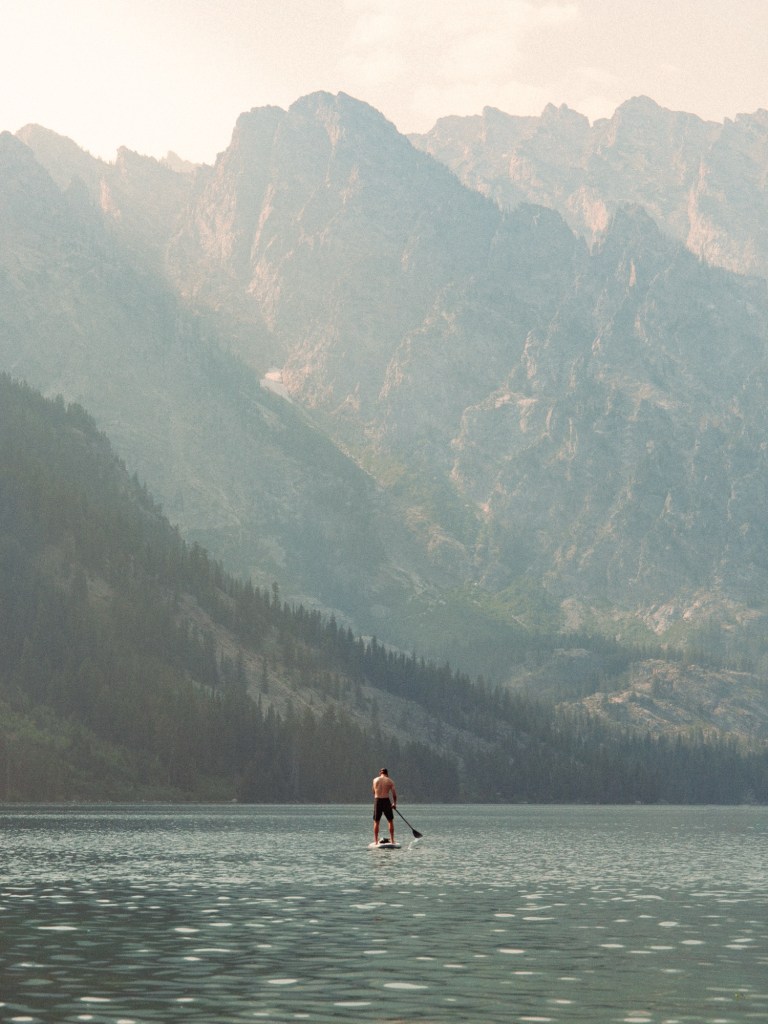
Future Generations. Will my daughters be able to bring their kids to the riverbank we waded last summer—or will there be a gate and a day-use fee?
Wildlife Corridors. Grizzlies, elk, wolves—they don’t read boundary signs. They roam. Carve up their path and you carve up their future. Fragmented land is a slow death sentence for animals that need room to move.
Precedent. They say, “It’s not national parks.” Fine. But once we normalize selling “surplus,” the next bill asks for more. It always does.
How to Respectfully Raise Some Hell (Takes Five Minutes)
- Read H.R. 2925 — see for yourself.
- Call the Capitol Switchboard: 1-855-980-5638 — say “Oppose H.R. 2925.”
- Email your Representative — template below.
- Share this post. Start the conversation at dinner, on the trail, everywhere.
💬 Email Template Copy + Paste (takes 10 seconds)
Subject line: Please protect public lands — oppose H.R. 2925
Hi (Representative/Senator Name),
My name is _, and I’m a constituent from (City, State). I’m writing to ask you to oppose H.R. 2925 and any legislation that would allow public lands to be sold off or privatized.
Public lands are not just empty spaces. They’re where our families hike, camp, fish, and reconnect. They’re part of our history, our freedom, and our future.
I believe these lands should stay public—for all of us. For the next generation. For the kids skipping rocks, not investors skipping taxes.
Please help keep them wild, open, and accessible.
Thank you for your time,
(Your Full Name)
(Optional: ZIP Code or full address)
📞 Phone Call Script (Takes 30 seconds)
Call 1‑855‑980‑5638 (this line will connect you to your U.S. Senators), or look up your representative here.
Here’s what to say:
Hi, my name is (Your Name), and I’m calling from (City/ZIP Code).
I’m asking (Representative/Senator Name) to oppose H.R. 2925.
I believe public lands should remain public—for communities, for recreation, and for future generations.
Please protect these spaces from privatization. Thank you.
This land was made for you and me.
Say something. Share it. Start the conversation. Even if you’re not an “activist.” Even if you think someone else will do it.
I’m not trying to be loud just to be loud I’m trying to protect what’s left.
— Kallee
 The Wilds Project.
Leave a comment